
Raz‑Kids
A leveled digital reading platform designed to strengthen reading fluency, comprehension, and independent reading skills through accessible, progressive books and assessments
Program Introduction
When a child can read but still struggles with fluency, understanding longer texts, or building confidence with independent reading, simply giving them books isn’t always enough. What often helps most at that stage is a reading environment that measures progress, adapts to ability, and builds skills systematically.
That’s where Raz‑Kids comes in.
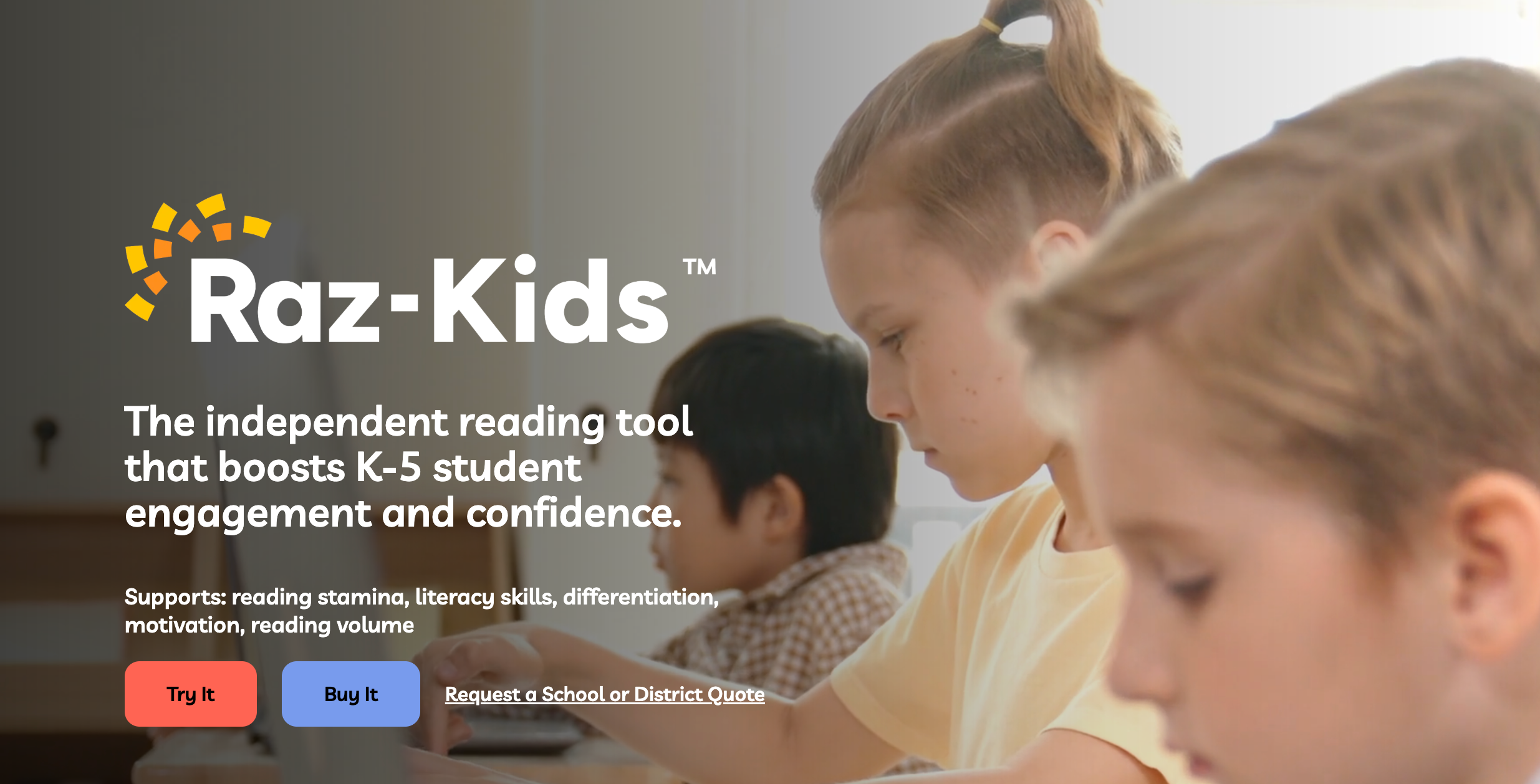
Raz‑Kids is a digital reading platform featuring hundreds of leveled books — from early readers to more advanced chapter‑style texts — with built‑in comprehension checks, audio support, and data tracking that helps parents and educators monitor growth.
Families use Raz‑Kids in homes, classrooms, and homeschool settings because it combines choice with structured skill development, making it a natural fit for learners who read but need consistent opportunities to practise and grow.
You will often see Raz‑Kids used as:
- an independent reading and fluency practice tool
- a comprehension development platform
- a homeschool reading supplement
- a structured library backup for phonics or intervention programs
- a confidence builder for readers that need consistent practice
Within a literacy decision‑support directory like this one, Raz‑Kids fits best in the “My Child Can Read but Needs Improvement” stage.
Reading Challenges the Program Supports
Once a child has the basics — letter recognition, decoding, and early fluency — the next step is reading with confidence and understanding.
Raz‑Kids supports skill growth in areas such as:
- improving reading speed without sacrificing comprehension
- strengthening vocabulary through repeated exposure
- building stamina for longer texts
- practising reading independently
- reinforcing understanding through comprehension checks
- motivating readers through measurable progress
If your child reads short passages but seems hesitant to tackle longer books, or if they struggle remembering what they just read, a platform like Raz‑Kids can help structure that practice so it feels purposeful rather than random.
How Raz‑Kids Actually Works in Daily Use
One of the most helpful things to understand about Raz‑Kids is how it blends choice with progression.
Rather than presenting a fixed lesson sequence, it gives learners a library of books that are leveled by reading difficulty — often referred to by letter levels (A, B, C, etc.). As children choose books within their comprehension range, they practise reading fluently and build confidence over time.
Here’s how families typically use it:
1. Establish a reading level.
Parents (or educators) select the book level that matches the child’s current skills.
2. Read the book independently or with audio support.
Many books include a “read‑to‑me” audio option that supports learners while they follow along.
3. Complete comprehension quizzes.
After reading, children answer multiple‑choice or open response questions that reinforce understanding.
4. Track progress over time.
Parents can see which books have been completed, quiz scores, and growing fluency confidence.
Daily sessions are typically short (10–20 minutes) and can be combined with other literacy activities.
Instructional Approach
Raz‑Kids takes a reading‑rich practice approach rather than a strictly drill‑based or phonics only model.
Children strengthen skills through:
- leveled reading practice
- audio narration support
- structured comprehension checks
- vocabulary exposure across genres
- independent reading choice
- measurable progress tracking
Instead of focusing on foundational decoding instruction, the platform helps consolidate and extend the skills a reader already has — a crucial stage for children beyond early phonics.
Main Features Parents Usually Notice First
When families begin using Raz‑Kids, a few features tend to stand out right away.
Large leveled e‑book library
Books range from simple early readers to more advanced texts.
Audio support for every book
Children can listen while reading, which supports fluency and comprehension.
Comprehension quizzes
Short reading checks help ensure students understand what they’re reading.
Progress dashboard
Parents can track books read, level progression, and quiz performance.
Printable books and activities (optional)
Some versions allow printing text for offline practice.
This balance of independent choice and structured skill checks is one reason many homeschool families appreciate the platform.
Why Parents Often Choose Raz‑Kids
Parents typically explore Raz‑Kids when their learners:
- already decode words but need consistent reading practice
- avoid longer texts because they feel slow or difficult
- need help strengthening comprehension
- benefit from measurable progress tracking
- enjoy choosing what they read
Many families also like that Raz‑Kids feels like a library more than a lesson platform, especially once children become familiar with the interface.
Instead of feeling like homework, reading often feels like choosing a book — but with built‑in support that keeps skills growing.
How Raz‑Kids Builds Reading Confidence
One of the biggest shifts that happens around this stage of reading development is confidence.
Children often can read — but they don’t feel confident reading longer passages, tackling harder vocabulary, or understanding stories independently.
Raz‑Kids supports confidence by:
- meeting learners at their level
- giving them a choice of titles
- supporting decoding with audio
- reinforcing understanding with comprehension questions
- tracking progress in a visible way
Over time, children often read more frequently, choose longer books, and feel more comfortable discussing what they read.
For many families, this shift — from reading because it has to be done to reading because they want to see what happens next — becomes one of the most valuable parts of the program.
Homeschool Use
In homeschool environments, Raz‑Kids is most often used as a core independent reading practice tool or as part of a broader literacy block.
Families typically include it as:
- an independent reading session
- a comprehension practice block
- a supplement to structured phonics or intervention programs
- a way to track reading development over time
Some homeschool parents assign specific book levels each week. Others encourage free choice within a level to build confidence and stamina.
Because the platform supports independent usage, it often works well in multi‑child homeschool schedules where one child reads while you support another.
Buying and Availability
Raz‑Kids is usually accessed through a subscription that provides access to its full digital reading library and tracking dashboard.
Family plans can vary based on the number of users and additional features included. Availability and pricing may change over time, so it’s helpful to check the official website for current details.
Depending on how you reached this page, the program may also be available through links provided within the directory.
Typical Usage Scenarios at Home
Families often include Raz‑Kids in daily literacy routines to strengthen fluency and comprehension.
For example, you might use it:
- as a 10–20 minute independent reading block
- after structured phonics or decoding practice
- as part of weekly reading goals
- during independent learning time in homeschool
- to build reading stamina during summer months
Because lessons feel like reading rather than drills, many children develop longer reading habits over time.
Exploring What to Use Alongside Raz‑Kids
If Raz‑Kids feels like a good match for your child’s current reading stage, it can also help to explore programs that support earlier phonics instruction or motivation alongside structured reading practice.
Within the directory, you can continue exploring:
- structured phonics programs for beginning readers
- intervention tools for struggling decoders
- creative literacy programs that support writing confidence
- homeschool literacy planning resources
Looking at these options together often makes it easier to build a balanced reading pathway that meets both skill development and independent engagement goals.