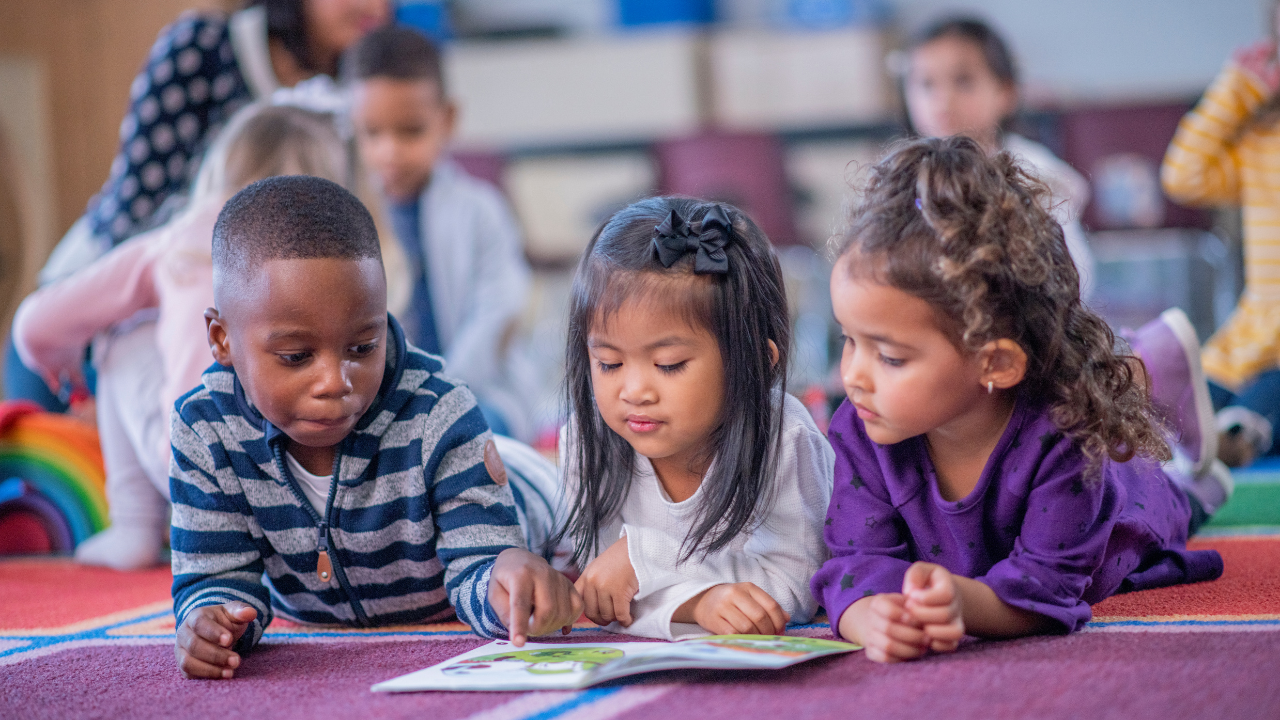
One of the hardest parts of helping your child learn to read is not knowing what they need right now.
Sometimes reading feels slow.
Sometimes it feels frustrating.
Sometimes they can read words but don’t understand stories.
And sometimes they simply don’t want to read at all.
It’s easy to assume something is wrong.
Most of the time, nothing is.
Children move through reading in stages. And once you know which stage your child is in, it becomes much easier to choose the kind of support that actually helps.
Instead of guessing what to try next, you can match the right tools to the right moment.
This guide walks you through the four major stages most children move through as they learn to read at home and at school — and what tends to help at each one.
Stage 1: Learning How Reading Works
What this stage looks like:
Your child is learning:
letter sounds
simple word patterns
how words are built
how sentences flow
They may:
sound out slowly
mix up similar letters
forget sounds between sessions
need help finishing words
This stage can feel repetitive from the outside. But it’s one of the most important parts of learning to read.
Strong foundations here make everything easier later.
Why This Stage Matters More Than Parents Expect
Reading isn’t memorizing words.
It’s learning a system.
Children are learning how sounds connect to letters and how those letters combine to create meaning.
If this stage feels rushed or incomplete, reading later often becomes harder than it needs to be.
That’s why structured phonics support helps so much here.
Programs like
Reading Eggs
and
Hooked on Phonics
are designed specifically for this stage.
They teach reading step by step instead of expecting children to figure patterns out on their own.
What Reading Practice Looks Like During Stage 1 at Home
Support at this stage usually works best when sessions are short and predictable.
For example:
10 minutes of phonics practice
reading simple books together
reviewing letter sounds during the week
listening to read-along stories
Children don’t need long lessons here.
They need consistency.
Stage 2: When Reading Feels Harder Than It Should
This is the stage many parents worry about most.
Your child is trying to read, but something still feels stuck.
You might notice:
guessing instead of sounding out
skipping small words
forgetting patterns they already learned
avoiding reading aloud
slow progress compared to classmates
This doesn’t mean your child can’t learn to read.
It usually means they need more structured support.
Why Some Children Need Extra Support in This Stage
Reading is a complex skill.
It combines:
memory
sound recognition
pattern awareness
visual processing
attention
confidence
Some children simply need more time or clearer instruction for those pieces to connect.
Programs like
Lexia
and
Nessy Reading & Spelling
are designed for exactly this situation.
Instead of moving quickly through reading levels, they strengthen the skills underneath reading.
That makes progress steadier and more predictable over time.
What Support Looks Like During Stage 2 at Home
At this stage, daily short sessions usually make the biggest difference.
Many families use:
15 minutes of structured reading practice
guided phonics reinforcement
review cycles built into literacy programs
extra spelling support
This stage responds best to patience and repetition.
Progress may feel slow at first, but confidence often follows once decoding becomes more automatic.
Stage 3: When Kids Can Read but Don’t Want To
This stage surprises many parents.
Your child can read.
But they don’t.
You might notice:
avoiding books
rushing through reading assignments
saying reading is boring
choosing screens instead
losing interest quickly
This isn’t usually a skill problem.
It’s a motivation problem.
And it’s extremely common.
Why Motivation Becomes the Challenge Here
Reading still requires effort at this stage.
Even when children decode accurately, reading may feel slower than watching videos or playing games.
That makes choice especially important.
Children read more when they feel ownership over what they’re reading.
Platforms like
Epic
and
Raz-Kids
support this stage by giving children access to large libraries matched to their reading level.
Instead of assigning books, you’re helping them discover them.
That shift often changes everything.
When Creativity Unlocks Reading Motivation
Some children respond best when reading connects to imagination.
Programs like
Night Zookeeper
combine reading and writing with storytelling and character creation.
For children who resist traditional reading practice, this approach can feel completely different.
Reading becomes part of building something instead of finishing something.
Stage 4: Building Reading Confidence That Lasts
At this stage, children are reading independently.
But they’re still developing:
fluency
vocabulary
comprehension depth
reading stamina
You might notice:
longer reading sessions
interest in chapter books
questions about stories
stronger understanding of plots
Reading becomes part of daily life instead of something separate from it.
Why This Stage Still Needs Support
Even confident readers benefit from access to the right material.
Exposure matters here.
The more children read:
the stronger vocabulary becomes
the easier comprehension feels
the more natural reading habits become
Programs like
Epic
and
Raz-Kids
continue supporting readers at this stage by expanding what’s available to them.
Think of them as libraries that grow with your child.
What a Simple Daily Reading Routine Looks Like Across All Stages
Parents often ask how much reading support is enough.
The answer is usually simpler than expected.
A strong daily routine might include:
10 minutes structured reading support
10 minutes independent reading
shared reading before bed
Consistency matters more than duration.
Small routines create big progress over time.
How to Tell Which Stage Your Child Is In Right Now
Here’s a simple way to recognize where your child might be.
Stage 1:
learning letter sounds
reading simple words
Stage 2:
reading feels slow or inconsistent
Stage 3:
can read but avoids reading
Stage 4:
reads independently but still building stamina
Most children move back and forth between stages as they grow.
That’s normal.
Reading development isn’t perfectly linear.
Frequently Asked Questions Parents Often Ask
Do children move through these stages at the same speed?
No.
Some children move quickly. Others need more repetition.
Both paths are normal.
Should I switch programs if progress feels slow?
Usually consistency works better than switching frequently.
Most reading growth comes from repeated exposure over time.
Can I combine more than one reading program?
Yes.
Many families use:
one structured phonics program
one independent reading library
This balance supports both skill and confidence.
What if I’m still unsure which stage my child is in?
Look at what feels hardest right now.
Decoding
confidence
motivation
comprehension
That usually points to the stage needing the most support.
A Simple Way to Choose What to Try Next
You don’t need the perfect reading plan.
You just need the next helpful step.
When support matches your child’s reading stage:
progress feels easier
confidence builds faster
reading becomes less stressful
And once reading begins to feel manageable again, children often start moving forward much more naturally.